
Minecraft Server IPs Sit at the Center of Multiplayer Network Security

Connecting to a multiplayer world starts with typing or pasting a string of numbers or a subdomain from a directory like Minecraft Menu. To most players, Minecraft server IPs are nothing more than digital street addresses that lead to their favorite survival or minigame lobby.
Behind the scenes, however, every exposed server address is a public network endpoint constantly probed by automated scanners, DDoS botnets, and opportunistic attackers. Examining how administrators protect these endpoints reveals the real cybersecurity work required to keep public game worlds online.
Public Addresses Attract Automated Port Scanners
The moment an IP address opens port 25565 to accept incoming player connections, automated internet scanners begin logging its presence. Bots sweep global IPv4 ranges continuously to fingerprint open game ports, server software versions, and exposed administrative interfaces.
Leaving a raw server address unguarded invites constant reconnaissance before a single legitimate player even logs in.
Reverse Proxies Mask the Origin Machine
Experienced administrators never hand out the direct IP address of the physical machine hosting their world data. Instead, they route player traffic through reverse proxies or anycast edge networks such as TCPShield or Cloudflare Spectrum.
Masking the origin IP ensures that malicious traffic hits a hardened filtering layer rather than overwhelming the core game server.
Volumetric DDoS Attacks Target Competitive Hubs
Distributed denial-of-service attacks remain one of the most common disruptions in multiplayer gaming. Rival groups or disgruntled players frequently rent stress-testing booters to flood a target IP with gigabits of junk UDP and TCP packets.
Without upstream scrubbing centers that drop malformed traffic at the network edge, a public server can be knocked offline in seconds.
DNS Records and SRV Routing Require Careful Hygiene
Most communities share clean domain names rather than raw numerical strings, relying on A records and SRV DNS entries to direct clients to the right port. Misconfigured DNS settings or forgotten subdomains can accidentally leak the underlying origin IP address to anyone running a historical DNS lookup.
Auditing DNS records regularly prevents attackers from bypassing edge protection layers.
Firewall Rules Lock Down Secondary Services
A game host rarely runs the Minecraft server process in isolation. Database ports, RCON remote console listeners, SSH terminals, and web dashboards often share the same network environment.
Strict firewall allowlists ensure that only the public game port accepts external traffic while management ports remain restricted to verified administrator VPN addresses.
Whitelisting and Authentication Prevent Unauthorized Access
When a server runs in offline mode to support legacy configurations or proxy setups, improper firewalling can let attackers spoof administrator usernames directly through a backend port.
Enforcing cryptographic forwarding secrets between proxies and backend nodes stops unauthorized sessions from bypassing Mojang authentication checks.
Residential Hosting Carries Real Privacy Risks
Players who self-host small worlds from a home internet connection expose their personal residential IP address to anyone who receives the invite link. A leaked home IP can reveal approximate geographic location and expose a household router to targeted connection floods.
Using dedicated virtual private servers or tunnel relays keeps personal home networks completely separated from public game traffic.
Threat Intelligence Helps Admins Spot Emerging Exploits
Multiplayer server ecosystems move quickly, with new plugin vulnerabilities and packet exploits circulating across underground forums and social communities long before official patches arrive.
Understanding how proactive monitoring exposes cyber-security blind spots mirrors how vigilant server administrators track emerging exploit chatter and patch exposed endpoints before automated attacks hit their network.
Rate Limiting Stops Connection Floods and Bot Joins
Even when packets look valid at the network layer, attackers can still overwhelm a login server by firing thousands of rapid connection handshakes per second. Connection rate limiters and automated firewall bans throttle repeated login attempts from suspicious subnets.
Keeping authentication queues clean preserves smooth login times for real players.
What Keeps Public Endpoints Resilient
Treating a server address as a critical piece of public infrastructure changes how communities manage growth.
By hiding origin machines behind reverse proxies, locking down internal ports, and monitoring DNS hygiene, administrators turn vulnerable public endpoints into resilient multiplayer hubs.
Why Cyber Security Matters When Working With Enterprise Commerce Architecture Specialists
 Enterprise commerce has changed how businesses sell products, manage customers, and handle daily operations. Large companies now depend on digital platforms to process orders, manage inventory, accept payments, and connect with customers across different channels. While these systems offer convenience and growth opportunities, they also introduce security risks that businesses cannot afford to ignore.
Cyber security plays an important role in protecting enterprise commerce platforms. Every online transaction involves information that must remain secure, including customer details, payment records, and business data. Without proper protection, companies may face data breaches, financial losses, and damage to their reputation.
This is where enterprise commerce architecture specialists become valuable. These professionals help businesses build secure, reliable, and flexible commerce systems. Their work goes beyond creating an online store. They design the technology that supports business operations while considering performance, security, and future growth.
Understanding how cyber security and enterprise commerce architecture work together can help businesses make better decisions about their digital infrastructure.
Understanding the Connection Between Cyber Security and Enterprise Commerce Architecture
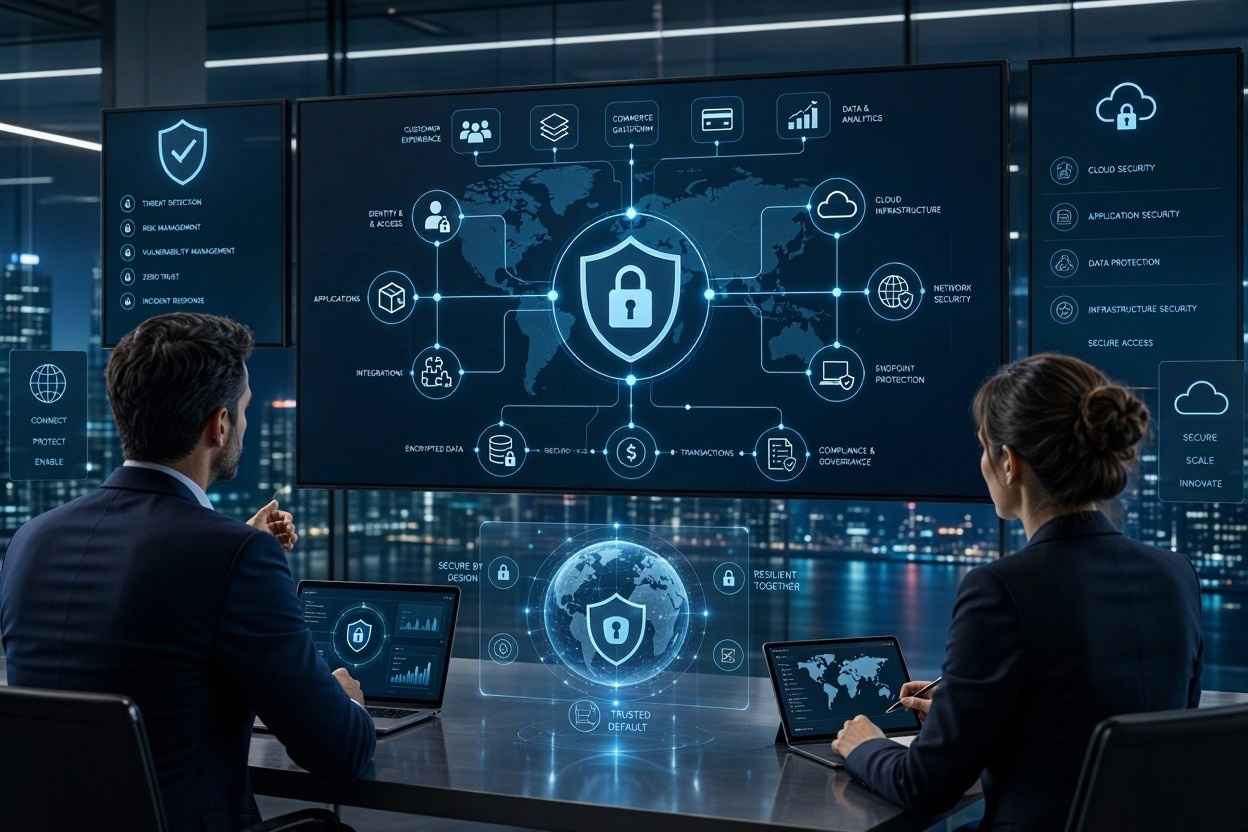
Enterprise commerce architecture refers to the technical structure that supports a company’s online selling activities. It includes websites, databases, payment gateways, inventory management systems, customer accounts, and connections to other business applications.
Unlike smaller online stores, enterprise commerce platforms often handle thousands of transactions and large amounts of customer information. They may also operate across different countries, currencies, and sales channels. Managing these operations requires a carefully planned system.
However, the more connected a platform becomes, the more security risks it may face. Every application, integration, and user account can become a possible entry point for cyber threats.
For example, an online retailer may connect its commerce platform to a warehouse management system, customer relationship management software, and several payment providers. If one connection is poorly secured, attackers may find a way to access sensitive information.
Enterprise commerce architecture specialists help reduce these risks by designing systems with security in mind from the beginning.
Rather than adding security features after development, specialists consider protection during the planning stage. This approach is commonly known as security by design.
It involves reviewing how information moves between systems, identifying possible weaknesses, and applying suitable protection measures.
Businesses also need to understand that cyber security is not limited to preventing hackers from accessing their websites. It includes protecting customer privacy, maintaining accurate business records, and keeping online services available.
A secure commerce platform should protect information without making the shopping experience unnecessarily complicated.
For example, customers should be able to complete purchases smoothly while their payment information remains protected. Employees should also have access to the tools they need without receiving unnecessary permissions.
Finding this balance requires technical knowledge and a clear understanding of business operations.
As enterprise commerce continues to evolve, companies increasingly need specialists who understand both digital commerce architecture and modern cyber security practices.
How Enterprise Commerce Architecture Specialists Improve Security
One of the main responsibilities of enterprise commerce architecture specialists is to create a technology environment that supports secure business operations.
Their work often begins with an assessment of the company’s existing systems. This helps identify outdated software, weak integrations, unnecessary access permissions, and other potential vulnerabilities.
Once these risks are understood, specialists can recommend improvements that support both security and business performance.
Secure system integration is one important area of focus. Enterprise commerce platforms rarely operate independently. They exchange information with accounting software, delivery providers, marketing tools, and internal databases.
Specialists help establish secure connections between these applications. This may involve encrypted communication, authentication methods, and carefully managed access credentials.
Another important responsibility is protecting customer information.
Online shoppers expect businesses to handle their personal details responsibly. Information such as names, addresses, contact numbers, and transaction histories should only be accessible to authorized users.
Enterprise commerce architecture specialists can help businesses implement encryption, access controls, and secure data storage practices.
Payment security also requires careful attention. Businesses that process card payments must consider applicable Payment Card Industry Data Security Standard (PCI DSS) requirements.
Architecture specialists can help reduce payment-related risks by recommending trusted payment integrations and limiting unnecessary exposure to sensitive card information.
Access management is equally important.
Not every employee needs permission to change website settings, view customer records, or manage financial information. Giving users more access than necessary increases the risk of accidental changes and unauthorized activity.
Specialists can design systems that follow the principle of least privilege. This means users receive only the permissions required for their responsibilities.
Another area is platform reliability.
Cyber attacks are not always focused on stealing information. Some attacks attempt to overwhelm websites with traffic, making them unavailable to legitimate customers.
Enterprise commerce specialists can recommend protective measures such as traffic filtering, monitoring tools, and infrastructure that can handle sudden increases in demand.
They also consider backup and recovery planning. If a system fails or experiences a security incident, businesses need a reliable way to restore operations.
Regular software updates are another essential part of maintaining security. Outdated applications may contain known vulnerabilities that attackers can exploit.
A well-designed commerce architecture makes it easier to manage updates, test changes, and maintain important integrations.
These security practices support more than technical protection. They help businesses maintain customer confidence, reduce operational disruptions, and create a stronger foundation for long-term growth.
Choosing Enterprise Commerce Architecture Specialists for Long-Term Business Growth
Selecting the right enterprise commerce architecture specialists requires more than reviewing technical certifications or development experience.
Businesses should look for professionals who understand how security requirements connect with commercial goals.
A company planning to expand into international markets, for example, may need support for multiple currencies, regional payment providers, and different privacy regulations. Its commerce architecture must accommodate these requirements without creating unnecessary security risks.
Experience with established enterprise commerce platforms can also be valuable.
Solutions such as Adobe Commerce, Salesforce Commerce Cloud, and Shopify Plus offer different features, integration options, and infrastructure approaches. Specialists should understand the security responsibilities associated with the chosen platform.
They should also be able to explain technical recommendations in practical terms.
Business owners and managers do not always have extensive technical knowledge. A reliable specialist should explain why certain security measures are necessary, how they affect operations, and what resources are required to maintain them.
Another consideration is the ability to support future growth.
A commerce platform that works well for a business today may struggle when transaction volumes increase or new sales channels are introduced.
Good architecture allows companies to expand without rebuilding their entire system. It also makes security controls easier to maintain as the business becomes more complex.
Businesses should ask potential specialists about their approach to risk assessments, system integrations, software updates, and incident recovery.
It is also useful to understand how they work with internal development teams, IT departments, and external technology providers.
Clear communication between these groups helps prevent security gaps and reduces confusion when technical changes are introduced.
Ongoing maintenance should be part of the discussion. Cyber threats continue to change, and security measures that were effective several years ago may no longer provide sufficient protection.
Regular reviews, vulnerability testing, monitoring, and updates help businesses respond to new risks.
Companies should also consider how architecture specialists approach performance and customer experience. Security is essential, but complicated login procedures, slow websites, and unreliable checkout systems can discourage customers.
The goal is to create an environment where protection and usability work together.
For growing businesses, investing in professional enterprise commerce architecture can provide lasting value. A secure and well-organized platform supports smoother operations, easier integrations, and greater flexibility when business needs change.
Ultimately, cyber security should be treated as a fundamental part of enterprise commerce rather than an optional technical feature.
Working with experienced enterprise commerce architecture specialists helps businesses develop systems that protect important information while supporting efficient digital operations.
As online commerce becomes more connected and competitive, companies that prioritize secure architecture will be better prepared to manage risks, maintain customer trust, and pursue sustainable growth.
How a Mobile Phone Specs Database Can Help Improve Cyber Security
 Mobile phones have become an important part of everyday life. People use them to communicate, manage finances, access business accounts, and store personal information. As smartphones become more advanced, they also become attractive targets for cybercriminals. This makes mobile security an important concern for individuals and businesses.
Most people compare smartphones based on their cameras, battery life, display quality, and processing power. However, security features deserve just as much attention. A device may offer excellent performance but still expose users to risks if it lacks regular software updates or reliable protection.
A mobile phone specs database can help users make more informed decisions. These databases provide detailed information about different smartphone models, including their operating systems, processors, connectivity features, and hardware capabilities. When combined with information about software support and security policies, these details can help users identify devices that better protect their information.
Understanding the relationship between smartphone specifications and cyber security is useful for anyone planning to purchase a new phone, manage business devices, or improve their digital safety.
Understanding the Connection Between Smartphone Specifications and Cyber Security
Cyber security is often associated with antivirus software, passwords, and protection against online scams. While these are important, the physical components and operating system of a smartphone also affect its security.
Every smartphone contains hardware and software that work together to process information. The processor handles instructions, the operating system manages applications, and the storage system keeps personal files. Weaknesses in any of these areas can create opportunities for attackers.
For example, older smartphones may no longer receive important security patches. These updates fix weaknesses that attackers could exploit. Without them, a device may remain exposed even when its owner follows good security practices.
A mobile phone specs database helps users identify a device’s operating system version, release date, processor, and other technical characteristics. These details provide a starting point for assessing potential security risks.
However, specifications alone cannot confirm whether a smartphone is secure. Users should also check the manufacturer’s official security update policy and current support status.
One important feature to consider is hardware-based security. Many modern smartphones include dedicated security components that help protect sensitive information. These components can safeguard encryption keys, authentication details, and other important data.
Biometric authentication is another useful feature. Fingerprint scanners and facial recognition systems can make unauthorized access more difficult. Their effectiveness depends on how the technology is implemented, not simply whether it appears in the specifications.
Encryption also plays an important role. It protects stored information by making it unreadable without the proper authorization. Modern smartphone operating systems generally provide built-in encryption, although implementation and protection levels can vary.
Connectivity specifications deserve attention as well. Smartphones support technologies such as Wi-Fi, Bluetooth, NFC, and mobile networks. These features improve convenience but can also introduce security risks when vulnerabilities remain unpatched.
Understanding these technical details allows users to look beyond marketing claims and consider how a smartphone protects their digital information.
How to Use a Mobile Phone Specs Database to Choose a More Secure Device
Choosing a smartphone involves comparing several features, but security should remain a priority. A mobile phone specs database makes this process easier by organizing technical information in one place.
The first step is to compare operating systems. Android and iOS both provide security protections, including application permissions, encryption, and authentication tools. However, update availability varies between manufacturers and individual models.
A newer operating system generally offers improved protections, but users should also examine how long the manufacturer plans to support the device.
For example, Google’s Android Enterprise Recommended requirements include publishing security update frequency and the date when guaranteed security support ends. This information helps buyers understand how long a qualifying device is expected to receive protection.
The second step is to examine the processor and security hardware. Modern chipsets may include dedicated components that handle sensitive operations separately from regular applications.
Apple’s Secure Enclave is one example. It provides an additional layer of protection for sensitive information and authentication processes.
Storage capacity is another factor worth considering. Although larger storage does not automatically improve security, sufficient space helps users install updates and maintain essential applications without constantly removing files.
Users should also compare biometric features, network compatibility, and device age. A phone released several years ago may still perform everyday tasks well, but its remaining security support could be limited.
A useful database should allow users to compare these specifications side by side. This makes it easier to narrow down suitable devices before checking official manufacturer information.
For businesses, this approach can support purchasing decisions. Companies that provide smartphones to employees need devices that can safely access email, customer records, and internal systems.
By comparing specifications and verified security support, organizations can select smartphones that meet their operational needs without overlooking important protections.
Building Better Mobile Security Habits Through Informed Decisions
Selecting a smartphone with strong security features is only the beginning. Users must also maintain good digital habits to protect their information.
Regular software updates are among the most effective security measures. Manufacturers release patches to address newly discovered vulnerabilities. Google’s Android Security Bulletins, for example, document fixes for security issues affecting Android devices.
Users should enable automatic updates when available and check periodically for pending installations.
Strong authentication is equally important. A secure passcode, supported by fingerprint or facial recognition, helps prevent unauthorized access. Users should avoid simple passwords that others can easily guess.
Application management also matters. Installing apps from trusted sources reduces exposure to malicious software, although even official marketplaces cannot eliminate every risk. Reviewing permissions helps users identify applications requesting unnecessary access to contacts, cameras, microphones, or location information.
Public Wi-Fi requires additional caution. Users should avoid connecting to unfamiliar networks and confirm that sensitive websites use secure connections. A trusted VPN can provide additional protection in certain situations, but it does not prevent every type of cyberattack.
Device tracking and remote wiping are valuable protections against theft. These features allow users to locate a missing smartphone or erase information remotely when recovery becomes unlikely.
A mobile phone specs database can support these habits by helping users understand their device’s capabilities and limitations. However, it should be treated as a research resource rather than a complete security assessment.
The growing importance of smartphones makes informed purchasing decisions more valuable than ever. Consumers should consider security alongside performance, design, and affordability.
Ultimately, the most secure smartphone is not necessarily the most expensive or powerful model. It is a device with reliable security protections, ongoing software support, and features that match the user’s needs.
By combining accurate technical information with responsible everyday practices, individuals and businesses can reduce mobile security risks and enjoy greater confidence in their digital activities.
What Happens to Your Data When a Tool Tailors Your Resume to a Job Description
A resume can contain a surprisingly detailed picture of a person’s professional life. Names, email addresses, phone numbers, employment history, education, locations, certifications, and career achievements may all appear in one document. When that file is uploaded to an online resume service, the information has to be processed somewhere, which makes data security an important part of choosing a tool.
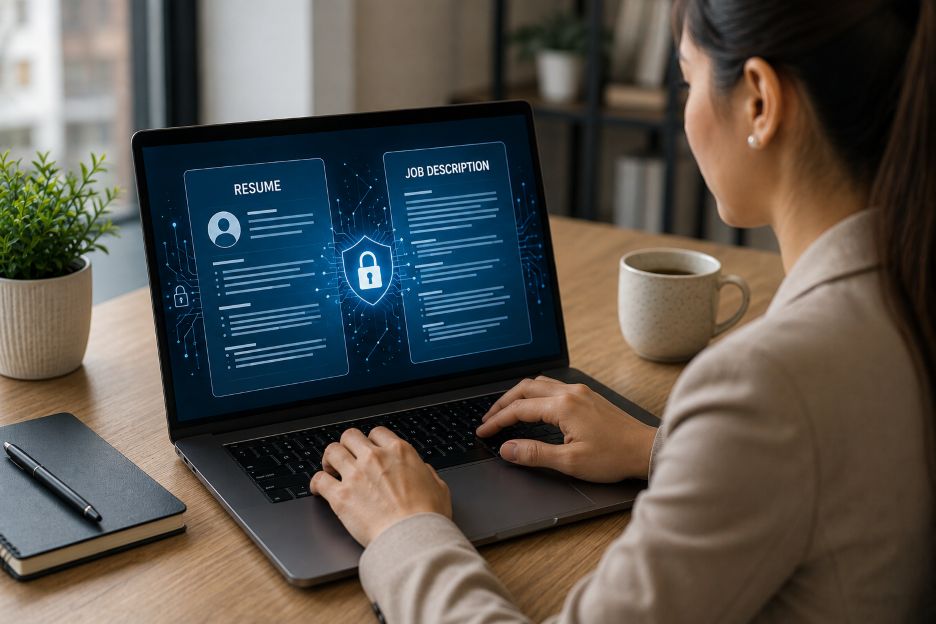
For a job seeker, using a tool that tailors your resume to the job description generally means providing two sets of information: the resume itself and the text of a job advertisement. The service compares them to identify relevant skills, terminology, experience, and possible gaps. That process can be useful, but users should also understand how the service handles the information after they click upload.
What Actually Happens After a Resume Is Uploaded?
At a basic level, an online tailoring service needs to receive the resume, read its contents, compare those contents with the job description, and return a result. Depending on how the platform is designed, the information may be temporarily processed, stored within a user account, or retained so the applicant can return to previous versions.
This is where privacy policies and security documentation matter. The Federal Trade Commission advises companies to think carefully about what personal information they collect, why they need it, how long they retain it, and who can access it. Its guidance also stresses a simple principle: businesses should avoid collecting personal information they do not actually need.
Job seekers can apply the same logic when assessing resume software. If a platform needs a resume to provide its service, that collection makes sense. Requests for unrelated information deserve more scrutiny.
Look for Encryption in Transit
One of the first security concepts to understand is encryption in transit. This protects information while it travels between a user’s device and the service receiving it.
The National Institute of Standards and Technology explains that cryptographic mechanisms can be used to protect sensitive digital information during transmission. Encryption helps prevent information from being easily understood if an unauthorized party manages to intercept it.
For applicants, this matters because uploading a resume involves transferring personal information across a network. A service’s security or privacy documentation should clearly explain how data is protected during transmission rather than leaving users to assume protection exists.
Encryption at Rest Matters Too
Protection should continue after the file reaches the platform. Data stored in databases, cloud infrastructure, backups, or other systems may remain there for some period, depending on the service.
NIST guidance addresses cryptographic protection for sensitive information both during transmission and while it is stored. Encryption at rest is particularly relevant when a resume service keeps documents so users can edit, download, or revisit them later.
Encryption does not make a service immune to every security problem. Access controls, software maintenance, authentication, monitoring, and internal security practices still matter. It is better viewed as one layer within a broader security approach.
Ask Who Can Access Your Resume
A resume stored inside an account should ideally be accessible only to the people and systems that genuinely need it. This idea closely follows the principle of least privilege.
The OWASP Foundation recommends limiting users, programs, and processes to the minimum permissions required to perform their intended functions. Restricting unnecessary access reduces the potential impact of mistakes, vulnerabilities, or compromised accounts.
For a resume platform, job seekers can look for explanations of account-scoped access, authentication, employee access, and third-party processors. A privacy policy should also make it reasonably clear whether uploaded information is shared with other companies and for what purpose.
What Happens When You Delete a Resume?
Deletion deserves particular attention because removing a document from a dashboard does not automatically explain what happens to copies stored elsewhere.
Guidance from the UK Information Commissioner’s Office says organizations should establish appropriate retention periods and erase or anonymize personal information when it is no longer required. Its guidance also distinguishes permanent deletion from simply taking information offline.
Before uploading a resume, applicants can check whether the service provides a way to delete individual documents, remove stored job descriptions, close an account, or request deletion of personal information. It is also useful to check whether the privacy policy explains retention periods and how backups are handled.
A Practical Privacy Checklist for Job Seekers
You do not need to be a cybersecurity specialist to evaluate basic safeguards. Developing basic cybersecurity awareness can help job seekers recognize common digital risks and make more informed choices about the services they trust with personal information. Before using a resume tailoring platform, look for clear answers to a few practical questions:
- Does the service explain how information is protected during transmission and storage?
- Can you delete uploaded resumes and previous tailoring projects?
- Does the privacy policy state how long personal information may be retained?
- Does the company explain whether information is shared with third-party service providers?
- Are access controls and account security measures described?
- Does the policy explain how uploaded information may be used beyond providing the requested service?
These questions reflect a broader principle of data minimization. The Information Commissioner’s Office states that personal data should be adequate and relevant to its stated purpose, while the Federal Trade Commission recommends limiting collection and retention to information that is actually necessary.
Convenience Should Come With Transparency
Resume tailoring tools can reduce some of the repetitive work involved in comparing a resume with individual job postings. That convenience, however, requires applicants to hand professional and personal information to another organization.
The safest approach is not to assume that every online service handles data in the same way. Read the privacy policy, examine available security information, check deletion controls, and consider removing unnecessary sensitive details before uploading a document. Clear explanations of encryption, access, retention, and deletion give job seekers a better basis for deciding whether a service deserves their trust.
As AI-assisted career tools become more common, privacy may increasingly become part of how applicants compare them. A useful service should explain what it does with a resume just as clearly as it explains what it can do for one.
Understanding Reddit CQS in Cyber Security
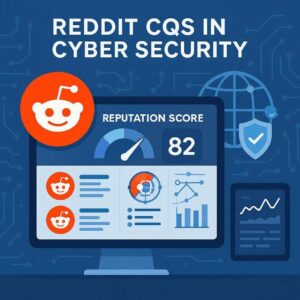 Reddit is a large online platform where users share content, discuss ideas, and participate in community discussions. Every user account builds a reputation based on activity and interaction with other members. One concept often discussed in Reddit moderation and platform management is the Contributor Quality Score, commonly referred to as Reddit CQS.
Understanding Reddit CQS reflects how trustworthy and constructive a user account appears on the platform. While Reddit does not publicly reveal every detail of how this score works, many moderators use signals related to account behavior to evaluate participation quality. In cybersecurity discussions, understanding this concept helps users maintain responsible online activity and avoid behaviors that may appear suspicious.
Cybersecurity communities on Reddit often emphasize responsible digital behavior. Accounts that demonstrate consistent participation, respectful interaction, and useful contributions are generally considered more reliable. These factors can influence how a user is perceived in communities that discuss cybersecurity, ethical hacking, and digital safety.
How Reddit CQS Relates to Account Behavior
Reddit accounts are shaped by their history of activity. When a user posts or comments, other users can upvote or downvote that content. These votes contribute to the user’s overall karma score, which reflects community approval. Although karma is not the same as CQS, both concepts are connected to how users interact on the platform.
Moderators often review several signals when evaluating accounts. These signals can include account age, participation patterns, and community interaction. Accounts that appear suddenly active with little history may be treated carefully by moderators. In contrast, accounts that show steady engagement over time are often trusted more easily.
Cybersecurity professionals often examine similar behavioral patterns when identifying suspicious online activity. For example, unusual posting frequency or repeated promotional content may resemble automated or malicious behavior. Understanding these patterns helps moderators protect communities from spam, misinformation, or harmful content.
Another factor is community reputation. When a user regularly provides helpful information or answers technical questions, other members begin to recognize the account as reliable. This recognition encourages positive interaction and strengthens trust within the community.
For example, someone participating in cybersecurity discussions might explain how to protect systems from phishing attacks. If the explanation is clear and responsible, other users may respond positively. Over time, this type of participation builds a strong reputation and signals high-quality engagement.
Why Cybersecurity Communities Care About Quality Signals
Cybersecurity discussions often involve sensitive topics. These topics can include vulnerability research, security testing methods, and digital privacy concerns. Because of this, communities prefer participants who show responsible behavior and respect ethical boundaries.
Quality signals like Reddit CQS help communities identify accounts that contribute positively. Moderators want to encourage discussions that promote cybersecurity awareness rather than harmful activity. By recognizing responsible contributors, communities can maintain a safe environment for learning and collaboration.
For example, ethical hacking discussions typically focus on improving security and protecting systems. Members share techniques used in penetration testing, system auditing, and vulnerability research. These conversations emphasize responsible disclosure and legal practices.
Accounts that follow these principles tend to gain trust quickly. When users consistently provide educational content, others feel more comfortable participating in the discussion. This helps create a community that supports learning and responsible security practices.
Another reason quality signals matter is protecting communities from misinformation. In cybersecurity topics, inaccurate advice can lead to serious risks. Moderators therefore pay close attention to the reliability of information shared in discussions. Accounts that repeatedly provide correct and well-explained information are more likely to be respected.
Building a Strong Reputation in Security Communities
Users who want to participate in cybersecurity discussions on Reddit should focus on constructive engagement. The first step is understanding the rules of each community. Many cybersecurity subreddits clearly outline guidelines about ethical discussions and responsible sharing of information.
Reading these rules before posting helps prevent misunderstandings. Communities may restrict certain topics or require educational context when discussing security techniques. Following these guidelines demonstrates respect for the community and its members.
Another important step is contributing helpful insights. If someone asks about protecting a network from common threats, sharing a clear explanation can be valuable. Simple advice about secure passwords, system updates, and safe browsing practices can help others improve their digital safety.
Participating in discussions also builds credibility. Responding to questions, sharing learning resources, and discussing new cybersecurity developments can show that you are actively involved in the field. Over time, these contributions form a consistent record of responsible participation.
Respectful communication is equally important. Cybersecurity communities often include professionals, students, and hobbyists. When discussions remain respectful, people feel comfortable sharing ideas and learning from each other. Even when opinions differ, maintaining a calm and constructive tone strengthens community trust.
Consistency is another key factor in building reputation. Posting occasionally with helpful content is more effective than posting frequently without meaningful contributions. Quality interactions usually lead to stronger recognition from other users.
Understanding Reddit CQS from a cybersecurity perspective highlights the importance of responsible online behavior. Reputation systems help communities recognize positive contributions and discourage harmful activity. By focusing on ethical participation, clear communication, and useful knowledge sharing, users can build trust and become valuable members of cybersecurity discussions on Reddit.
Cybersecurity by Design in ERP Modernization with the Best SAP S4 HANA Provider

The contemporary business environment compels organizations to optimize operational effectiveness while managing the potential threats to digital assets.
From the start of an ERP modernization journey, the selection of the best SAP S4 HANA provider should ensure that cybersecurity remains a central design principle, rather than an afterthought.
By incorporating cybersecurity measures into all components of the SAP S4 HANA systems, organizations can reduce exposure to preventable risks, safeguard sensitive information, and build resilient systems to counter the continuum of potential cybersecurity threats.
This paradigm shift positions ERP modernization as a strategic business advantage rather than a standard technological upgrade.
Securing All System Layers
Modernizing an ERP system usually entails a move to the cloud, an integration of legacy systems, and a complete reengineering of business processes. The primary SAP S4 HANA partner of your choice is best positioned to help integrate security within each of these components.
Each cloud environment can fortify its components to prevent breaches, from access controls and data encryption to threat detection and response. With integrated security measures, operational hurdles and cyber bedlam won’t impede the flow of your organization’s business processes.
Instilling Trust and Improving Regulatory Compliance
Regulatory compliance received much attention as a measurement of enterprise success. Through the leading SAP S4 HANA services, companies can optimize ERP configuration and abide by industry compliance and cybersecurity regulations.
Organizations can maintain accountability by leveraging governance frameworks and stakeholder management through real-time oversight, automated decrypted reporting, and auditing.
Customers and business partners can trust and keep confidence in the organization’s operational efficiency and strict compliance with cybersecurity policies.
Strategic Value Unlocking with Security
The integration of business intelligence, operational agility, and protection means the cybersecurity system of a company is working as it should. Increasing operational activity in the organization depends more on the secure flow of data across departments than on the “shut down and work” command.
After setting up remote work systems, organizations are almost certain to experience good operational activity without any security problems to fix. A secure-first mindset enhances the culture of vigilance.
The role of IT management within departments and the organization as a whole is more predictive than it was in a post-cybersecurity crisis world.
ALSO READ: 7 Security Risks You Avoid by Choosing the Right IG Follower Export Tool
Future-Proofing Enterprise Systems
ERP systems must be adaptable as cyber threats become more advanced. Organizations that choose high-quality SAP S4 HANA providers can position themselves to leverage advancements in technology with greater certainty.
Ensuring ERP systems meet operational goals with timely updates, vulnerability assessments, and cyber training prepares them for future challenges. By doing this, enterprises protect their digital ecosystem and competitive advantage.
Conclusion
Businesses, by focusing on cyber design initiatives, transform ERP modernization into a secure move, and with the right SAP S4 HANA partner, operational continuity, regulatory consistency, and sustainable business growth are protected.
Design initiatives, viewed through the lens of cyber resiliency, bring the organization closer to its long-term desired state.
The Hidden Threat Map: How the Similar Subreddits Finder Exposes Cyber-Security Blind Spots
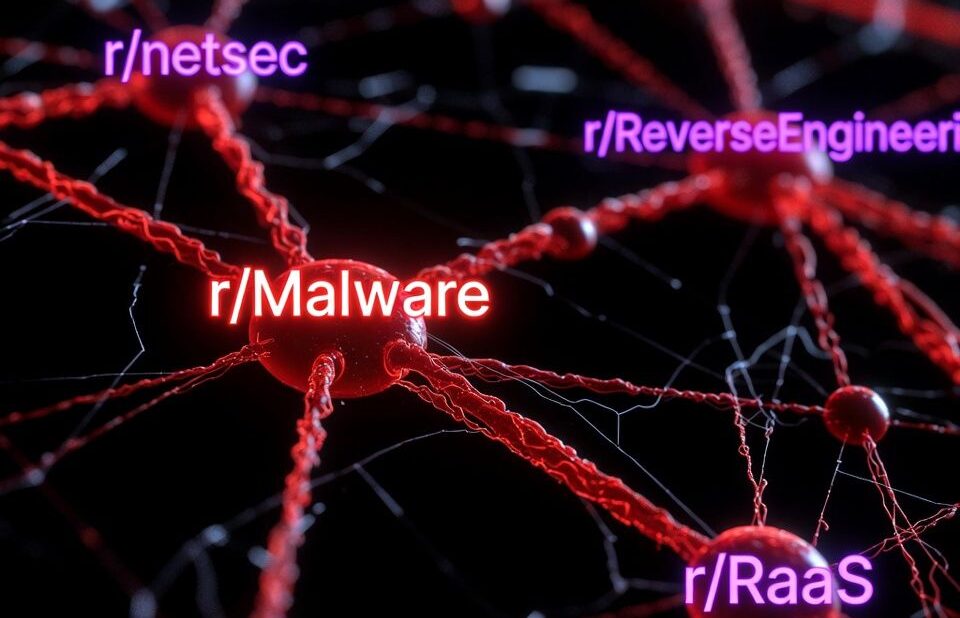
A new infostealer popped up in an obscure corner of Reddit last April. Within 48 hours the same binary spread to eleven related subreddits. Most security teams only noticed it three weeks later when VirusTotal alerts finally lit up. By then, thousands of endpoints were already compromised.
Threats now move faster than most SOCs can track. Yet the solution is surprisingly simple: it’s very easy to find related subreddits that share the exact same users. One free tool turns those connections into a visual map and suddenly you see the entire underground ecosystem at a glance.
From Hours of Hunting to One Click
Picture this. You spot suspicious chatter in r/ReverseEngineering about a fresh ransomware decryptor. Where will the actual samples appear next? The old way meant manual searches, bookmark lists, and endless scrolling. The new way is different.
Type r/Malware or r/netsec into the tool. Seconds later a network graph appears. Large circles show big communities. Thick lines reveal strong user overlap. Smaller, lesser-known nodes often turn out to be goldmines, private invite-only groups, language-specific forums, or brand-new subs that Google barely indexes.
One blue-team analyst ran the map after seeing a new campaign in r/cybersecurity. The graph instantly exposed 17 tightly linked communities. That single picture cut his daily monitoring from four hours to under half an hour. His team patched the vulnerable software before the first victim in their sector got hit. Because even the best traditional defenses arrive too late against fresh threats, understanding the real limits and strengths of antivirus and anti-malware tools stays critical alongside these early-warning maps.
Real-World Use Cases That Save Companies
Security teams now rely on these maps daily. Here are the patterns they catch first:
- Exploit migration – A proof-of-concept drops in r/exploits, moves to r/HowToHack within hours, then lands on dark-web marketplaces the next day.
- Ransomware affiliate tracking – Start at r/RaaS, follow the bridges, and you often land on recruitment channels and leak sites before the big blogs write about them.
- Credential markets – Stolen corporate access appears in niche subs weeks before it reaches the usual marketplaces.
- State-actor chatter – Discussions jump from English-language forensics subs to region-specific or language-specific communities where defenders rarely look.
Each line on the map is backed by millions of real comments, not guesses.
Red Teams Love It Too
Penetration testers and OSINT operators use the exact same maps in reverse. Enter the name of your target company. The graph quickly shows where employees complain about internal tools, post VPN errors, or accidentally leak configuration details. One tester found a hidden subreddit where a Fortune-500’s developers shared debug logs, all because the tool highlighted a tiny 8,000-member community linked to the main corporate sub.
Stay Safe While You Lurk
Follow these rules and you will never burn an account or cross a line:
- Never post or comment, only read
- Use fresh throwaway accounts with no connection to your real identity
- Export the graph as an image and check it monthly, communities shift fast
- Combine with Tor or a VPN if you enter questionable corners
Your Threat Landscape Starts Here
One updated map beats a shelf of expensive threat-intel subscriptions when it comes to emerging risks. Open the tool today, type your seed subreddit, and watch the hidden connections appear. Because in 2025, the analyst who sees the full picture first usually stops the breach first.
Cybersecurity and IG Email Scrapers: What You Need to Know
 Cybersecurity is more important than ever. Every day, people go online to shop, talk, and work. This means they share personal information on different platforms. With this rise in online activity, cyber threats continue to grow. One area that often raises questions is the use of IG email scraper. These tools gather email addresses from Instagram accounts. Many businesses use them for marketing. But they also come with risks.
Understanding Cybersecurity in Simple Terms
Cybersecurity protects devices, accounts, and data from online attacks. These attacks come in many forms. Some steal passwords. Some spread harmful software. Some pretend to be real companies to trick users. Cybersecurity aims to prevent all these threats.
The core idea of cybersecurity is simple. It is about keeping information safe. People use phones, laptops, and Wi-Fi every day. Each one can be a target. Hackers look for weak points. They take advantage of users who do not update their apps or use weak passwords. They also target companies that do not protect customer data. Because of this, cybersecurity practices matter for both individuals and businesses.
Basic habits help strengthen online safety. Using strong passwords is one. Updating devices and apps is another. Being careful with suspicious emails is also important. Many cyber attacks begin with simple tricks. Cybersecurity makes these tricks less effective by educating users and improving protection tools.
What Is an IG Email Scraper?
An IG email scraper is a tool that collects email addresses from Instagram profiles. Some businesses use it to reach new customers. They gather emails from public accounts and add them to marketing lists. In theory, it helps them connect with people who may like their products or services.
However, IG email scrapers do not always follow Instagram’s rules. Instagram’s terms of use limit automated tools. Scraping can also collect emails without permission. This raises ethical and legal concerns. In some countries, collecting personal information without consent goes against privacy laws. This includes laws like GDPR for European users.
IG email scrapers also come with security risks. Many scraping tools are built by unknown developers. They may not follow safe coding practices. Some even contain hidden malware. When someone downloads a free or unsafe scraper, they expose their device and data to threats. This is why it is important to understand the risks before using these tools.
Cybersecurity Risks of Using IG Email Scrapers
IG email scrapers may seem helpful for marketing. But they can create serious problems. Below are the main cybersecurity risks linked to these tools.
1. Exposure to Malware
Some email scrapers come from unreliable sources. They may include viruses or spyware. Once a user installs the tool, the harmful software enters the system. It can steal passwords, watch activity, or damage files. Many people do not notice the attack until it is too late.
2. Data Privacy Issues
Scraping emails without consent violates privacy rules. People want control over their information. When a scraper gathers their email without permission, it breaks trust. Businesses also risk facing complaints or legal problems. Privacy laws worldwide take personal data protection seriously.
3. Account Security Threats
Many scrapers require logging in with an Instagram account. This creates big risks. Some tools store login details. Others send them to third parties. This can lead to account hacking. A hacked Instagram account puts personal messages, photos, and business pages at risk.
4. Damage to Brand Reputation
If a company uses scraped emails for marketing, people may report them for spam. This damages the company’s image. People prefer businesses that respect consent. Trust is hard to rebuild once lost.
5. Violation of Platform Rules
Instagram monitors suspicious activity. Using a scraper can cause an account to be suspended or banned. For businesses, losing access to their page can hurt operations and sales.
Safer Alternatives to IG Email Scrapers
There are better ways to grow an email list without scraping. These methods follow privacy rules and keep user data safe.
1. Use Lead Magnets
A lead magnet is something users receive in exchange for sharing their email. Examples include free guides, promo codes, or exclusive content. This method ensures users willingly give their information.
2. Run Instagram Ads
Instagram’s ad platform allows businesses to target users based on interests. It can direct users to sign-up pages. This is a legal way to collect emails and build an audience.
3. Place Sign-Up Links in the Bio
A simple link in the bio can bring users to a landing page. People who are interested can sign up on their own.
4. Host Giveaways
Giveaways encourage users to join newsletters. Many brands use this method to grow email lists in a fair and transparent way.
5. Use Website Pop-Ups
A website pop-up allows visitors to subscribe. When used well, it can grow a list fast.
These alternatives follow cybersecurity rules and help businesses protect their audience.
Why Cybersecurity Matters When Using Online Tools
Cybersecurity is a shared responsibility. Everyone who goes online must take certain steps to stay safe. When people use tools like IG email scrapers, the risks grow. Hackers often target people who download unknown software. Businesses using these tools may face legal and ethical issues. Users whose data is taken may feel violated.
To stay safe, people should stick to legitimate tools. They should also be careful about where they get software. Reading reviews, checking the source, and avoiding unknown links are basic steps. Using privacy-friendly marketing methods builds trust and keeps both businesses and users safe.
Cybersecurity is a long-term practice. It is not solved by one tool. It requires ongoing awareness. When people understand the risks behind online tools, they make smarter decisions.
Important Online Gameplay Tips for Safer Competitive Gaming
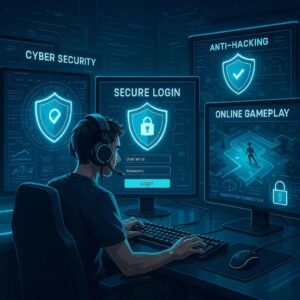 Online gaming has become one of the largest digital activities in the world. Millions of players connect daily to compete, communicate, stream content, and participate in ranked matches. As online gaming communities continue growing, cybersecurity has become more important than ever. Players are not only protecting game progress anymore. They are also protecting personal information, digital purchases, accounts, payment details, and online identities.
Many gamers focus heavily on gameplay improvement, rankings, and competition. However, weak security habits can quickly create serious problems. A stolen gaming account, malware infection, or phishing attack can damage years of progress. Competitive players who spend large amounts of time building rankings and collections often become attractive targets for cybercriminals.
Cybersecurity in gaming is no longer only a concern for developers and large companies. Individual players also need to understand basic protection methods. Simple habits such as using strong passwords, avoiding suspicious links, and securing devices can greatly reduce online risks.
Online gameplay tips now include much more than aiming, teamwork, or strategy. Safe gaming habits are becoming part of competitive preparation. Players who understand cybersecurity can focus more on improving performance without constantly worrying about account threats or online scams.
Common Cybersecurity Threats in Online Gaming
One of the most common cybersecurity threats in gaming is phishing. Phishing happens when attackers create fake websites, emails, or messages that appear legitimate. The goal is to trick players into sharing account information or payment details.
Gaming-related phishing often appears through fake tournament invitations, reward claims, or login requests. A message may promise free skins, bonus rewards, or ranking improvements. Once the player enters account information, attackers gain access to the account.
Fake login pages are especially dangerous because they often look nearly identical to official websites. Players should always check website addresses carefully before logging in. Small spelling differences or unusual links are often warning signs.
Malware is another major risk for online gamers. Malware refers to harmful software designed to damage systems or steal information. Some malware hides inside fake game downloads, cheats, mods, or unofficial software tools.
Competitive players sometimes search for shortcuts to improve rankings or unlock features. This creates opportunities for attackers to distribute infected files disguised as gaming tools. Downloading files only from trusted sources greatly reduces this risk.
Account theft remains a serious problem in competitive gaming. Gaming accounts may contain expensive digital items, high rankings, or linked payment methods. Attackers often target valuable accounts for resale or personal use.
Weak passwords make account theft much easier. Many players reuse passwords across multiple websites. If one platform suffers a data breach, attackers may attempt to use the same password on gaming accounts. Strong and unique passwords are extremely important for account safety.
Two-factor authentication adds another layer of protection. This feature requires an additional verification step during login, such as a mobile code or authentication app. Even if a password is stolen, accessing the account becomes much harder.
Public Wi-Fi networks can also expose players to risks. Gamers traveling or playing outside the home may connect to unsecured networks in hotels, cafés, or airports. Attackers on the same network may attempt to monitor activity or intercept data.
Voice chat and messaging systems can also create cybersecurity concerns. Some attackers use social engineering tactics to manipulate players into sharing information or clicking malicious links. Social engineering relies on trust, urgency, or emotional pressure rather than technical hacking.
DDoS attacks are another threat in competitive gaming. These attacks overload internet connections or servers with massive amounts of traffic. Some players use DDoS attacks to disrupt matches or disconnect opponents unfairly.
Streaming platforms also introduce additional security concerns. Public visibility can expose streamers to harassment, phishing attempts, or account targeting. Content creators and competitive players should carefully manage privacy settings and account protection.
Mobile gaming has expanded cybersecurity risks further. Smartphones often store personal data, payment apps, and gaming accounts together. Weak mobile security may expose players to both financial and gaming-related attacks.
Even gaming communities and forums can contain security risks. Fake giveaways, suspicious advertisements, or unofficial downloads may spread malware or scams. Players should remain cautious even within familiar communities.
Important Online Gameplay Tips for Better Security
One of the best online gameplay tips for cybersecurity is using strong passwords. A strong password includes a mix of letters, numbers, and symbols. Players should avoid simple passwords based on names, birthdays, or common words.
Using different passwords for every platform is also important. If one account becomes compromised, separate passwords prevent attackers from accessing additional accounts.
Enabling two-factor authentication is another highly effective protection method. Most major gaming platforms now support this feature. It adds extra security without making account access difficult for the player.
Players should also update devices regularly. System updates often include important security fixes that protect against newly discovered vulnerabilities. Delaying updates for long periods may leave systems exposed to attacks.
Antivirus software helps detect and block harmful files. While security programs may occasionally affect gaming performance slightly, proper configuration allows players to stay protected without major interruptions.
Players should avoid downloading unofficial software related to cheats, hacks, or suspicious ranking tools. Many of these files contain malware or account-stealing programs. Legitimate competitive improvement comes from practice, strategy, and teamwork rather than unsafe shortcuts.
Checking website security is another important habit. Official gaming websites usually use secure connections marked by “https” in the browser address. Suspicious websites often lack proper security certificates or contain poor design quality.
Privacy settings should also be reviewed carefully. Players should avoid publicly sharing personal information such as home addresses, phone numbers, or financial details inside gaming communities or live streams.
Email security is equally important. Gaming accounts are often connected to email addresses. If an attacker gains access to the email account, they may reset gaming passwords easily. Strong email security protects connected gaming services as well.
Players should also be cautious with friend requests and direct messages. Attackers sometimes pretend to be teammates, tournament organizers, or gaming staff to gain trust. Suspicious links or urgent requests should always be verified carefully.
Backup systems help reduce long-term damage if problems occur. Important files, screenshots, videos, or content creation projects should be stored safely through backups or cloud storage.
For streamers and content creators, moderation tools are valuable. Proper moderation reduces spam, harassment, and malicious links during live broadcasts. Streaming safely helps protect both creators and viewers.
VPN services can improve privacy when gaming on public networks. While VPNs do not solve every security problem, they help protect data traffic and reduce exposure on unsecured internet connections.
Gaming parents should also understand cybersecurity basics. Children and younger players may not recognize scams or suspicious behavior easily. Open discussions about online safety help create safer gaming experiences for families.
Gaming devices themselves should remain physically secure. Leaving unlocked devices in public areas can expose accounts or sensitive information. Simple habits like locking screens and using device passwords add extra protection.
7 Security Risks You Avoid by Choosing the Right IG Follower Export Tool

For marketers and social media managers, the ability to assemble a respected IG follower export tool without hassle is invaluable.
More importantly, as privacy issues continue to arise, being able to protect follower data from unsafe tools is another significant advantage of data export tools.
The right tools assist you in collecting the email addresses you need while keeping your data and your clients’ data from potential cyber attacks and data breaches.
1. Avoid Phishing Scams
When you export follower information from unsafe tools, your chances of phishing attacks increase.
The right IG follower export tools authenticate data streams and increase the chance of closing fake emails from infiltrating your email address lists, as well as closing illicit entry to use your email lists for phishing attacks.
2. Prevent Data Leaks
Poorly designed tools and systems can unintentionally leak data. To mitigate and even eliminate data leaks, trustworthy systems in the field of data privacy use strong data and systems protection mechanisms of encryption and robust data storage that keep your followers and data exports under your control.
3. Reduce malware Risk
Follower export tools that are free without payment requirements are clear signs these systems are laced with malware.
By selecting trust systems in the field of data privacy, you ensure your system and your accounts are protected from these systems that are designed to compromise your accounts by malware: dv and def/other databases.
4. Prevent Getting Banned From Instagram
Your Instagram account is at risk of a temporary suspension if you use software that extracts Instagram data without following the site’s API guidelines.
You run the risk of a permanent suspension if the software you use doesn’t export data in line with Instagram’s API rules. Account suspensions can be avoided if you use a legitimate export tool that adheres to Instagram’s API guidelines and usage limits.
ALSO READ: Cybersecurity and IG Email Scrapers: What You Need to Know
5. Protects Data in a Useful Way
It’s a Security risk if the export tool you use has improper data retention policies.
It is a reliability risk if you use a tool that includes data retention policies and data input controls that do not guarantee the data is of the required quality, i.e., accurate, complete, and not corrupted with duplicate files.
Without the required quality, marketing efforts based on the data would be ineffective.
6. Meet Legal Requirements
By using a tool that guides you on best practices to process data, you significantly reduce your risk exposure to your audience. This is through the audience having trust in you, knowing you comply with the legal requirements to process their data
7. Security to Protect Your Brand
Brand Security can be strengthened if you choose tools that prioritize their users in data retention and storage. Such tools can improve your brand credibility and reputation, allowing your audience to trust that their data is protected.
The importance of user data protection, reliability of marketing data, and exposure to cyber threats can all be addressed through your choice of the appropriate IG follower export tool.
The Role of Education in Promoting Cyber Security Awareness
In today’s highly connected world, almost every aspect of life depends on digital technology—from communication and shopping to banking and learning. However, this growing reliance also exposes people to cyber threats such as hacking, phishing, and identity theft. Education plays a crucial role in promoting cyber security awareness, helping individuals understand the risks of the online world and how to protect themselves effectively.
Cyber Security
Cyber Security is the practice of protecting computers, networks, data, and digital systems from unauthorized access, attacks, or damage. It focuses on keeping information safe, private, and reliable while preventing cyber criminals from stealing or destroying data.
Balancing Privacy and Security in the Digital Era
In the digital era, technology has made communication, work, and daily life faster and more convenient. However, this convenience comes with a growing challenge—balancing personal privacy and public security. Governments, companies, and individuals all face the difficult task of protecting personal data while ensuring safety against cyber threats, terrorism, and crime. Striking the right balance between these two priorities is one of the greatest ethical and technological issues of our time.
The Importance of Cyber Security in the Digital Age
In the modern digital era, technology has become a vital part of daily life—powering communication, business, education, and entertainment. However, as digital connectivity grows, so do the risks associated with cyber threats. Cyber security is essential in protecting computers, networks, and data from unauthorized access, attacks, or damage. It ensures the safety and privacy of information in a world that increasingly depends on digital systems.
The Importance of Strong Password Management
In today’s digital age, passwords serve as the first line of defense against unauthorized access to personal and business accounts. From email and social media to online banking and work systems, passwords protect sensitive data from cyber criminals. However, weak or reused passwords remain one of the most common causes of data breaches. Effective password management is essential for maintaining online security and protecting both individual and organizational information.
The Role of Antivirus and Anti-Malware Software
What Is Antivirus and Anti-Malware Software?
Antivirus software is designed to detect, prevent, and remove viruses—programs that infect files or systems and spread to others.
Anti-malware software offers broader protection against various malicious programs, including spyware, trojans, worms, adware, and ransomware.
Today, most security programs combine both functions, offering comprehensive protection against a wide range of digital threats.
The Benefits of Cyber Insurance for Businesses
What Is Cyber Insurance?
Cyber insurance, also known as cyber liability insurance, is a specialized policy designed to help businesses recover from cyber attacks and data breaches. It covers costs related to data recovery, system repair, legal fees, and even reputational damage. This type of insurance complements a company’s cybersecurity measures by offering financial protection when preventive defenses fail.